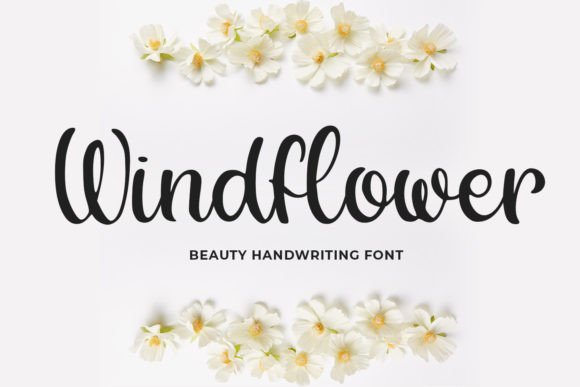
Windflower: A Handwritten Font for Elegant Design
When redesigning the header for a lifestyle blog, I found myself searching for a font that could capture the warmth and authenticity of the content. Windflower, a beautiful handwritten script font from Script Amp, became the perfect choice. Its flowing lines and organic feel brought a sense of calm and creativity to the design, making it ideal for a publication that values connection and inspiration.
Windflower has a distinct personality—soft, expressive, and slightly irregular, like a note written by hand. It carries a natural rhythm that feels both personal and professional. This font isn’t just about aesthetics; it’s about creating an emotional response in the reader. Whether used in a blog title, a newsletter graphic, or a printable guide, Windflower adds a touch of thoughtfulness that elevates the overall reading experience.
As someone who works with editorial layouts, I appreciate how Windflower supports visual hierarchy. Its delicate strokes make it ideal for titles, pull quotes, and decorative accents, while still maintaining enough clarity to work well in smaller sizes. When paired with a clean serif or sans serif font, it creates a balanced contrast that guides the eye without overwhelming the reader.
One of the first projects where I used Windflower was for a recipe ebook. The font’s organic flow complemented the warm, homey tone of the content. I used it for chapter openers and recipe headings, giving each section a unique yet cohesive identity. The result was a design that felt inviting and authentic, much like the recipes themselves.
Windflower also shines in social media graphics and digital magazine layouts. Its fluidity makes it a great fit for banners, card designs, and promotional materials. For a wedding guide, I used it for section headers and quote boxes, adding a romantic and personal touch that resonated with the target audience. It’s a font that can adapt to different moods and purposes without losing its character.
For long-form content, Windflower works best as a display font rather than body text. Its intricate details can be difficult to read in extended paragraphs, especially on screens or in print. However, when used strategically—as a headline, subtitle, or decorative element—it enhances the visual appeal without compromising readability.
In a coaching workbook, I paired Windflower with a simple sans serif font for the body copy. The combination created a clear structure while keeping the design visually engaging. The handwritten font added a personal, encouraging tone that aligned with the workbook’s purpose. It’s a great example of how thoughtful font pairing can strengthen the overall message and aesthetic of a publication.
When working with Windflower, it’s important to consider the context. For a printable planner or a course PDF, the font’s elegance can add a premium feel. In a newsletter header, it can draw attention and set the tone for the content. For a digital magazine, it can serve as a consistent brand element that reinforces the publication’s identity.
Windflower is also a strong choice for branding and logo design. Its natural flow gives it a unique, handmade quality that can differentiate a brand in a crowded market. Whether used in a t-shirt design, a tote bag, or a social media post, it brings a sense of individuality and craftsmanship that appeals to creative audiences.
Before using Windflower in any project, I always check the available styles, alternates, and ligatures. These features allow for greater customization and ensure the font remains versatile across different formats. Multilingual support and file formats are also important considerations, especially when designing for global audiences or commercial use.
Windflower’s versatility makes it a valuable addition to any designer’s toolkit. It’s a font that bridges the gap between artistic expression and practical design. Whether you’re working on a lifestyle blog, a recipe ebook, or a coaching workbook, Windflower offers a way to create content that feels both beautiful and meaningful.
Ultimately, the right font can transform a design from good to great. Windflower does more than just look nice—it helps tell a story, evoke emotion, and connect with readers. For anyone looking to enhance their editorial projects with a touch of grace and personality, this handwritten font is worth exploring.
From blog headers to ebook covers, Windflower proves that typography is more than just a visual choice—it’s a powerful tool for communication and creativity.